
What the Yorkshire Dales Local Plan means for rural estates
By Rural Solutions | 10.07.26
The adoption of the new Yorkshire Dales Local Plan is an important milestone for estates across the National Park. One of the most significant changes is the formal recognition of Rural Estate Plans as a material consideration in planning decisions.


Why does this matter?
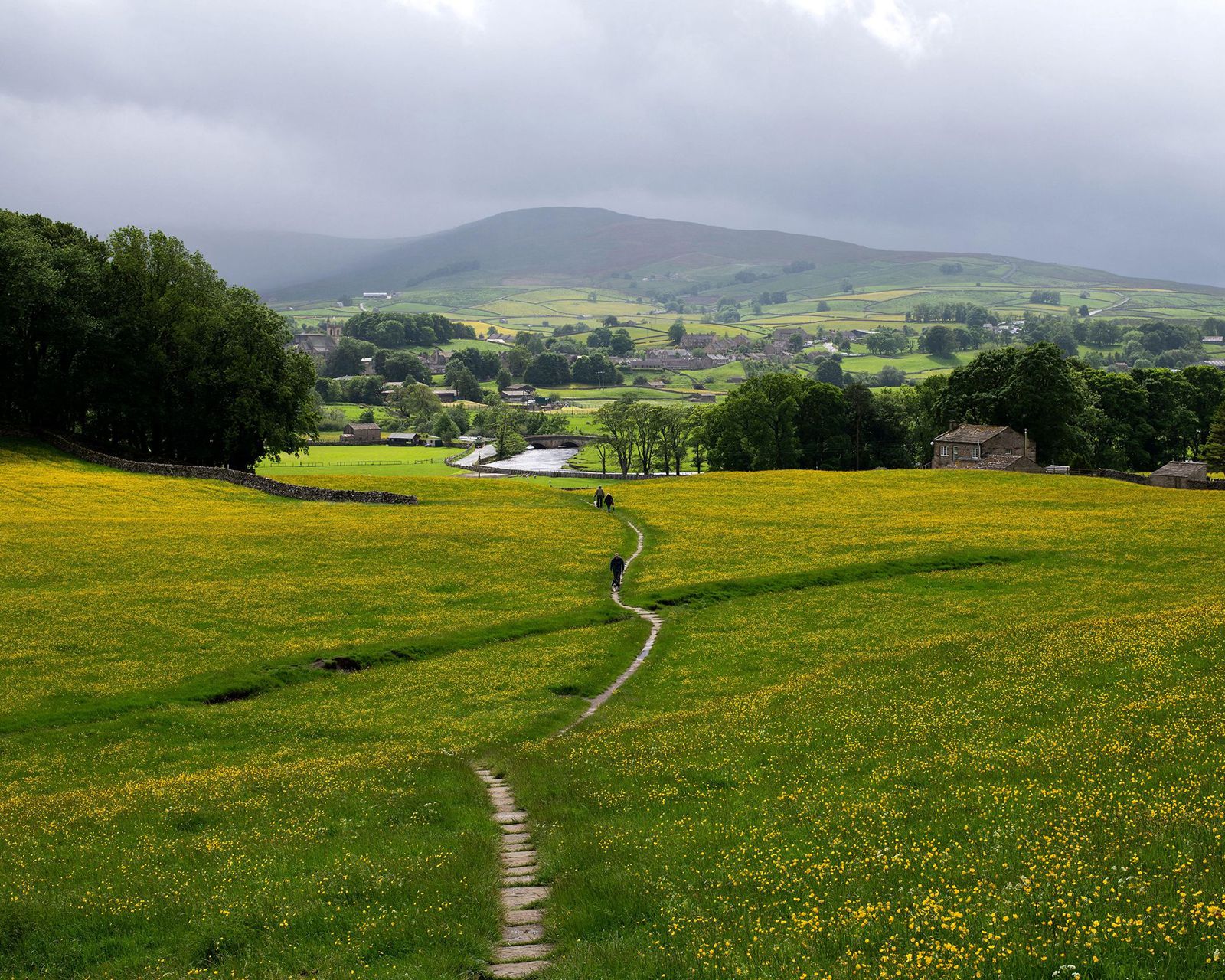
Around 35 per cent of the Yorkshire Dales is managed by privately owned estates. These estates play a vital role in supporting rural communities by providing homes, employment, environmental stewardship, and investment in the local economy.
Many estate owners are already thinking decades ahead, balancing commercial pressures with their long-term responsibility as custodians of the landscape. Having a planning framework in place that recognises this long-term approach is welcome news.
A more strategic approach to diversification
One of the biggest opportunities created by the new policy is the ability to prepare a Rural Estate Plan that is endorsed by the National Park Authority (NPA). This creates greater transparency and certainty for both landowners and planning authorities, enabling more strategic conversations about medium and long-term development needs.
Rather than considering individual planning applications in isolation, estates can work collaboratively with planners to develop a shared vision for the future of the whole estate. That could include new homes for local people, employment space, tourism opportunities, the reuse of existing buildings or investment in estate infrastructure.
Ultimately, it provides a clearer framework for rural businesses to plan, strengthen their resilience and unlock long-term economic growth across the Dales.This kind of strategic thinking creates greater certainty for everyone involved and helps build stronger relationships between landowners and planning authorities.
But there are still challenges
While we see this as a very positive development, it does not mean planning suddenly becomes straightforward.
Sally Ormiston, Director at Rural Solutions, explains:
“The Yorkshire Dales, like many protected landscapes, faces competing pressures. Farming businesses continue to adapt to changing agricultural policy, there is an ongoing shortage of affordable homes, and visitor numbers remain heavily focused on a handful of popular destinations.
“Any proposals will still need to demonstrate they conserve and enhance the National Park while delivering benefits for local communities. Finding that balance will remain one of the biggest challenges for estates over the coming years.”
Looking ahead
Rural Solutions were pleased to play a role in helping shape this policy during its development and believe it represents a more collaborative way of planning for the future of rural estates.
Done well, Rural Estate Plans can provide a clear framework for long-term investment, helping estates diversify, strengthen rural businesses, create employment, deliver much-needed housing, and support a more sustainable visitor economy.
For us, the real value of this policy is it encourages estates and planning authorities to have strategic conversations early. That gives everyone a clearer understanding of what an estate is trying to achieve and how development can support both the long-term resilience of the estate and the communities that depend on it.
Get in touch
To find out more about the formal recognition of Rural Estate Plans as a material consideration in planning decisions, please contact the team info@ruralsolutions.co.uk or call 01756 797501.
Photo © Alamy stock image
You might also be interested in...




We are using cookies to give you the best experience on our website. You can find out more about which cookies we are using on our cookie policy.