
A new era for estates
By Sally Ormiston | 14.07.26
At the end of June, the Yorkshire Dales National Park Authority (YDNPA) adopted its new Local Plan (2025 – 2040). For rural estates and landowners in the Dales, this is not just a bureaucratic milestone, but a genuine strategic opportunity.


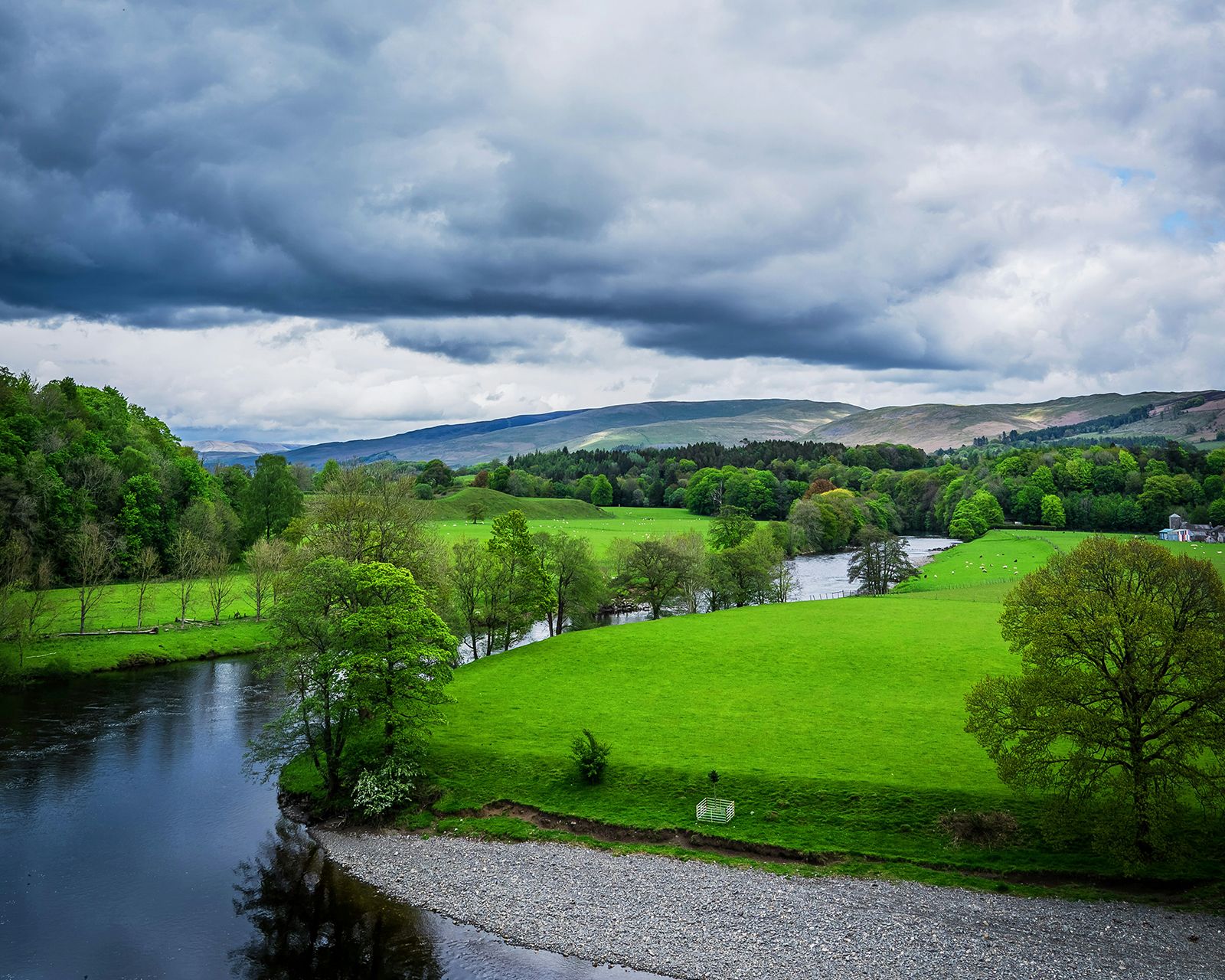
The Yorkshire Dales is the latest planning authority to adopt a dedicated ‘Rural Estate Plan’ policy, following other National Parks including the South Downs and the Lake District in recognising the beneficial role that estates play in rural places.
The Dales’ policy is specifically designed to support estate-led development and to create a more enabling planning environment for development and diversification across the National Park. In short, estates now have a formal route to de-risk the planning process for development proposals designed to increase long term resilience.
This sits alongside a broader shift in the planning landscape that estates and their advisors cannot afford to ignore. The revised National Planning Policy Framework (NPPF) is creating new flexibilities, particularly around housing delivery, Green Belt development, and environmental mitigation.
Alongside the Dales, North Yorkshire Council is currently preparing its first local plan, while the North York Moors National Park Authority is about to begin its own plan review. A process that will define the planning framework for rural North Yorkshire for the next 15 to 20 years. Estates that engage proactively now will be best positioned to secure long-term benefits.
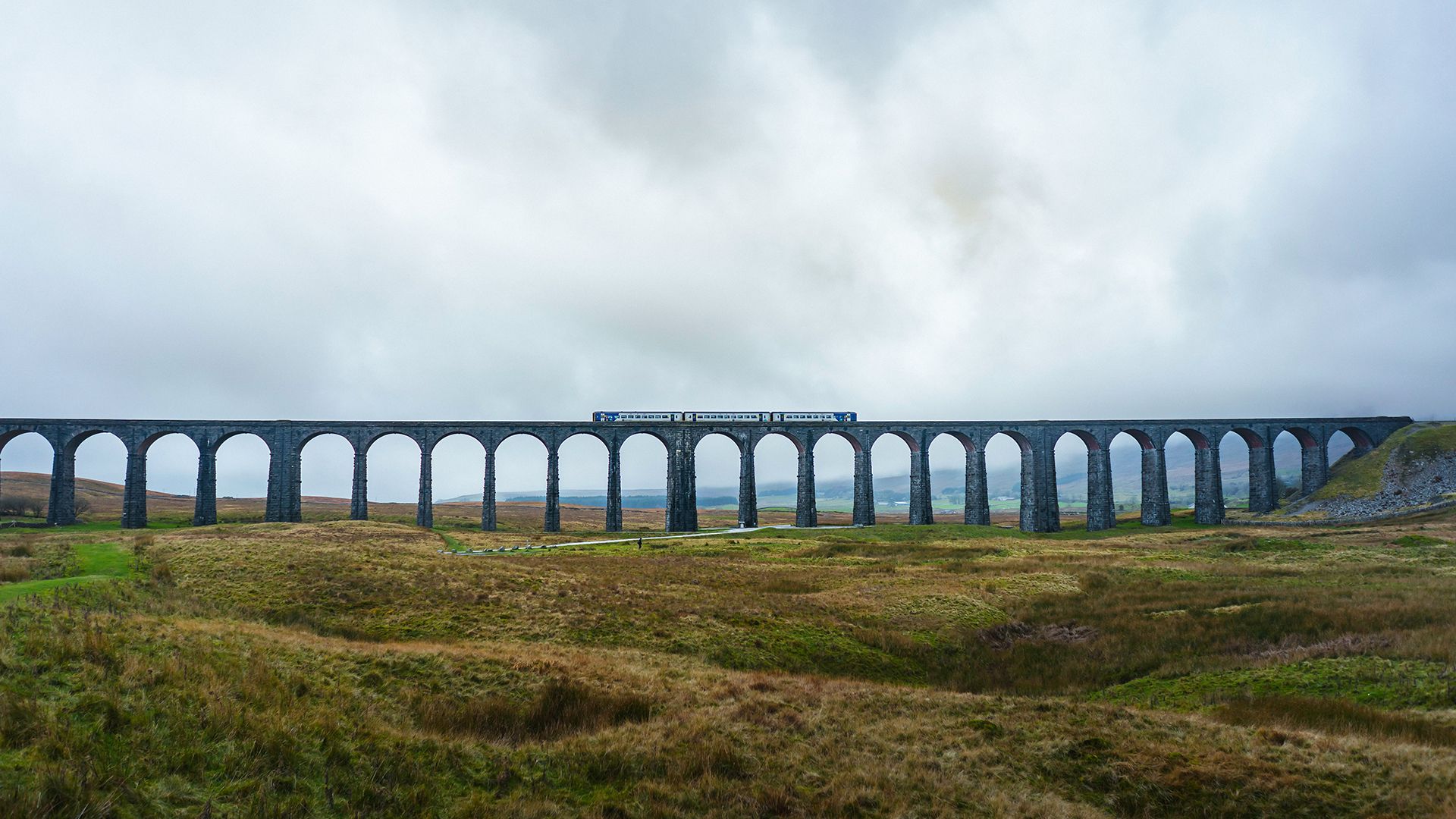
What is a rural estate plan?
A rural estate plan – also known as a whole estate plan, or estate-scale strategy, is a long-term, evidence-based plan that sets out the social, environmental, and economic assets of an estate. It articulates a future vision and identifies the role that development will play in ensuring long-term viability and delivering benefits to the local community.
When endorsed by the planning authority, these plans become a ‘material consideration’ in future planning decisions, which can significantly de-risk the planning process when bringing forward planning applications.
Even where a formal policy doesn’t exist, articulating how estate-led development proposals fit within a considered long-term plan for the estate, and the benefits to be delivered, can be a highly valuable exercise in engaging stakeholders and influencing planning decisions.
From policy to precedent
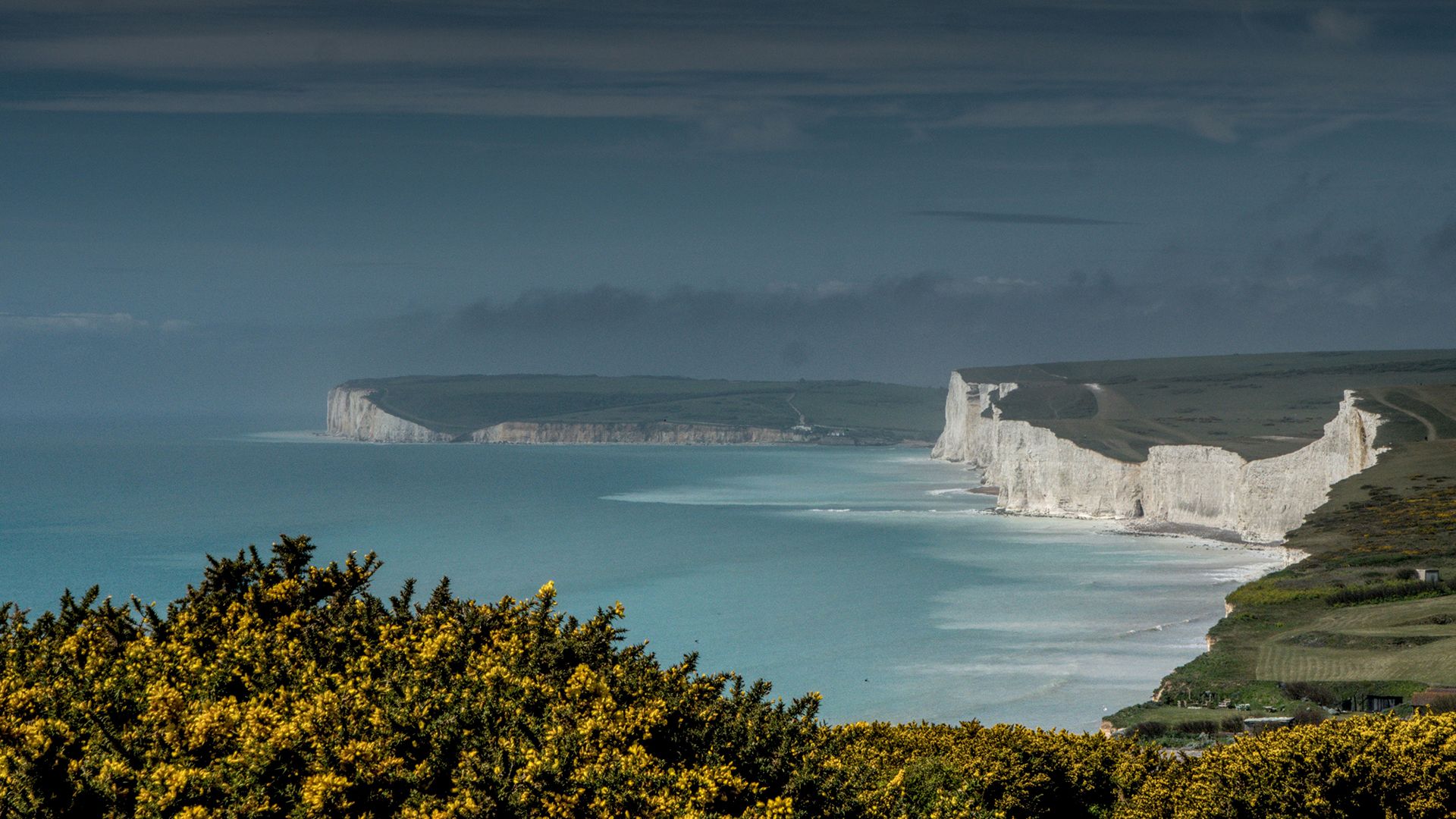
Rural Solutions were involved in the creation of the first whole estate plan in the country to be endorsed as a material planning consideration. The plan – for the Wiston Estate in the South Downs National Park, has since provided the framework for a significant programme of development and diversification, resulting in new businesses, enhanced income streams, and a more resilient future for the estate.
Since then, we’ve gone on to create several estate plans for several organisations, from a major treasure house estate to an independent school, and several estates of varying scales and contexts seeking to create long term strategies at the point of succession or responding to external pressures. You can find out more about our work in this sector here.
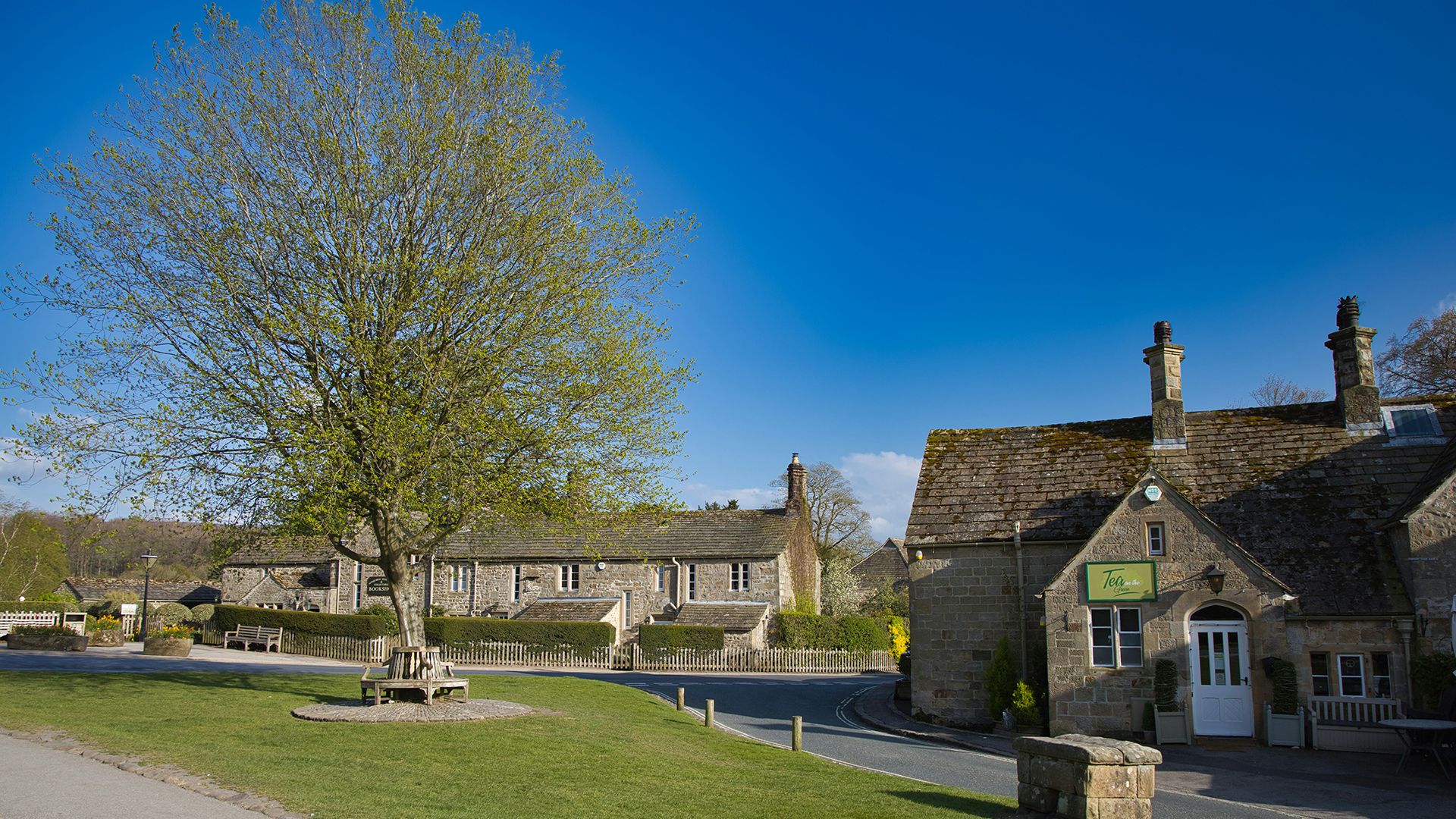
It is this direct, hands-on experience that we most recently brought to the Dales. Working with the Bolton Abbey Estate, we presented an evidenced case to the YDNPA for the inclusion of a whole estate plan policy in their Local Plan. The Authority accepted the recommendation, and the policy is now formally adopted.
The bigger picture
Rural estates are at the heart of many rural communities, balancing environmental stewardship and heritage conservation with the delivery of homes, jobs, businesses, food production, forestry, and habitats.
With competing demands on land increasing, estates have an important role to play in shaping the policies and strategies that guide future development. Their active engagement with policymakers can ensure that growth, environmental objectives, and community needs are delivered in a coordinated and sustainable way.
Estate-led development, guided by a clear long-term strategy, is one of the most effective ways to achieve this. It gives estates a voice in local policy, de-risks future planning applications, and demonstrates a long-term commitment to the communities and landscapes they steward.
Get in touch
If your estate, or that of your client, could benefit from an estate plan, or if you would like to explore how local planning policy changes and national planning reforms may create new opportunities, we would be delighted to discuss how we can help.
Rural Solutions specialises in helping estates unlock their potential through strategic planning, policy engagement, and long-term visioning, while protecting the character and heritage that make them unique.
Contact us to discuss how we can support your estate’s next chapter, email us at info@ruralsolutions.co.uk or call us on 01756 797501.
Sally Ormiston is a Director at Rural Solutions.
You might also be interested in...




We are using cookies to give you the best experience on our website. You can find out more about which cookies we are using on our cookie policy.