
Shaping the Future of Food, Farming and Land Use
By Rural Solutions | 25.06.26
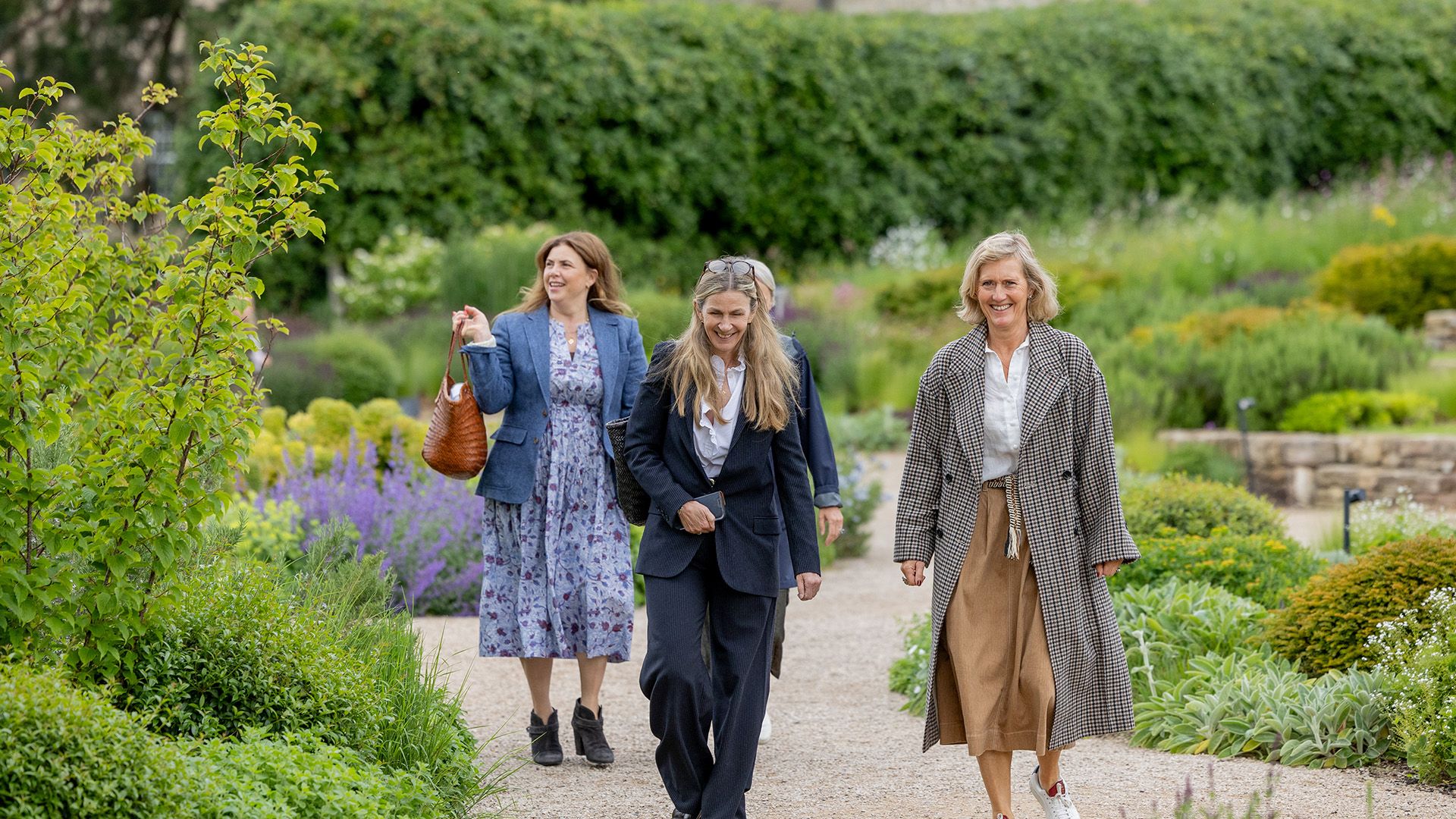
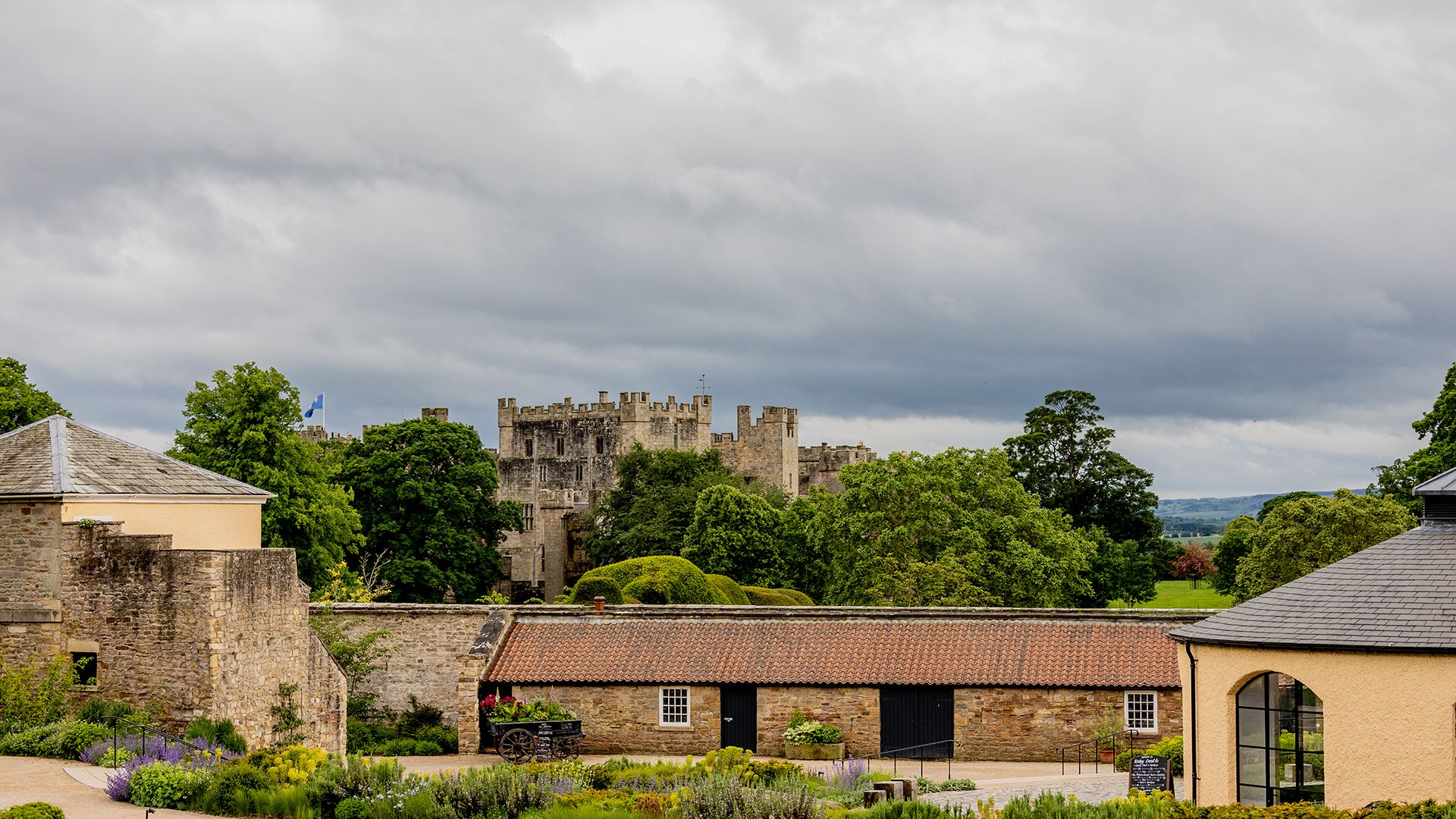
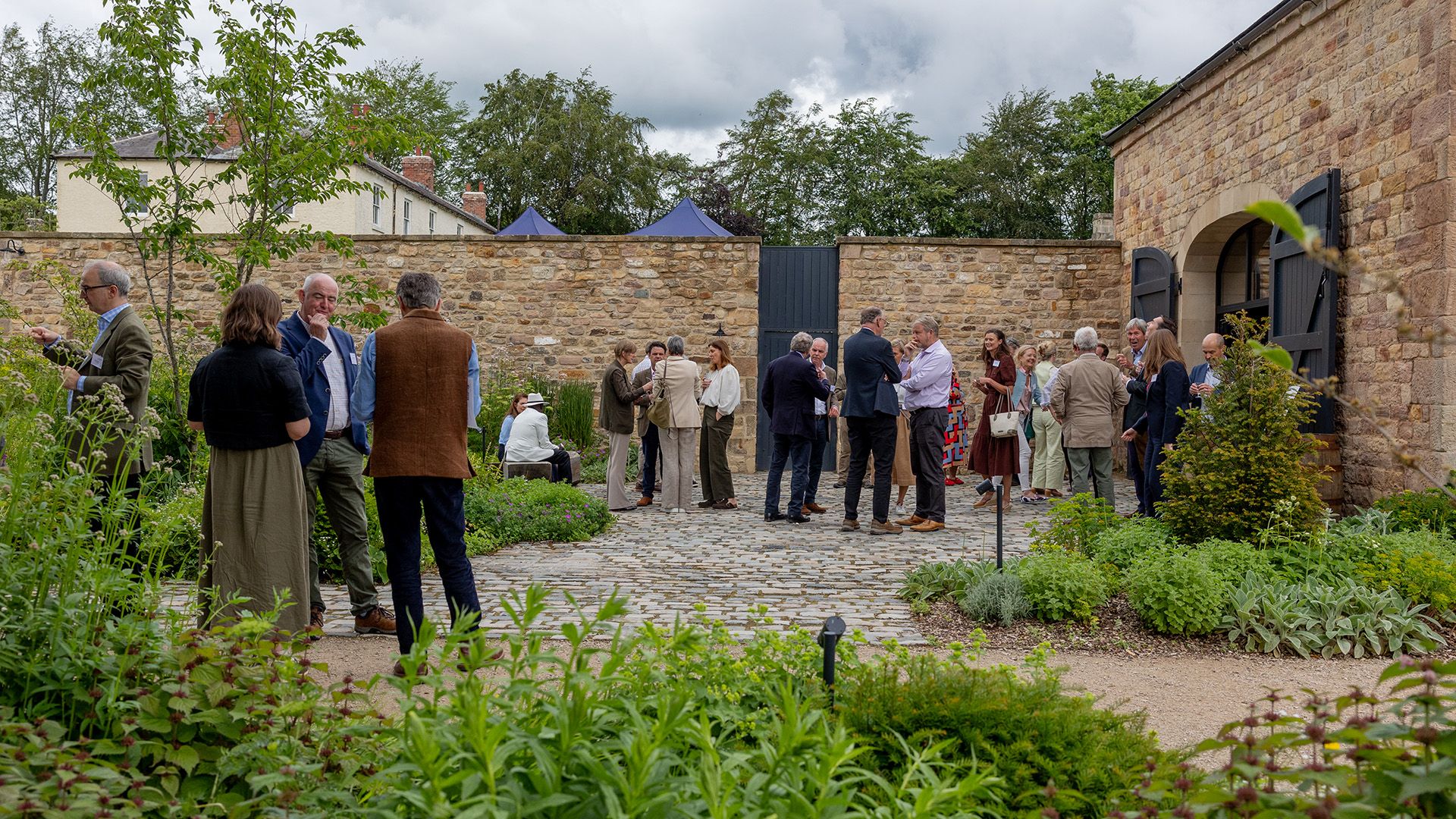
Future Countryside has become one of the most thought-provoking events in the rural calendar, and this year's gathering at Raby Castle once again demonstrated its wider impact.


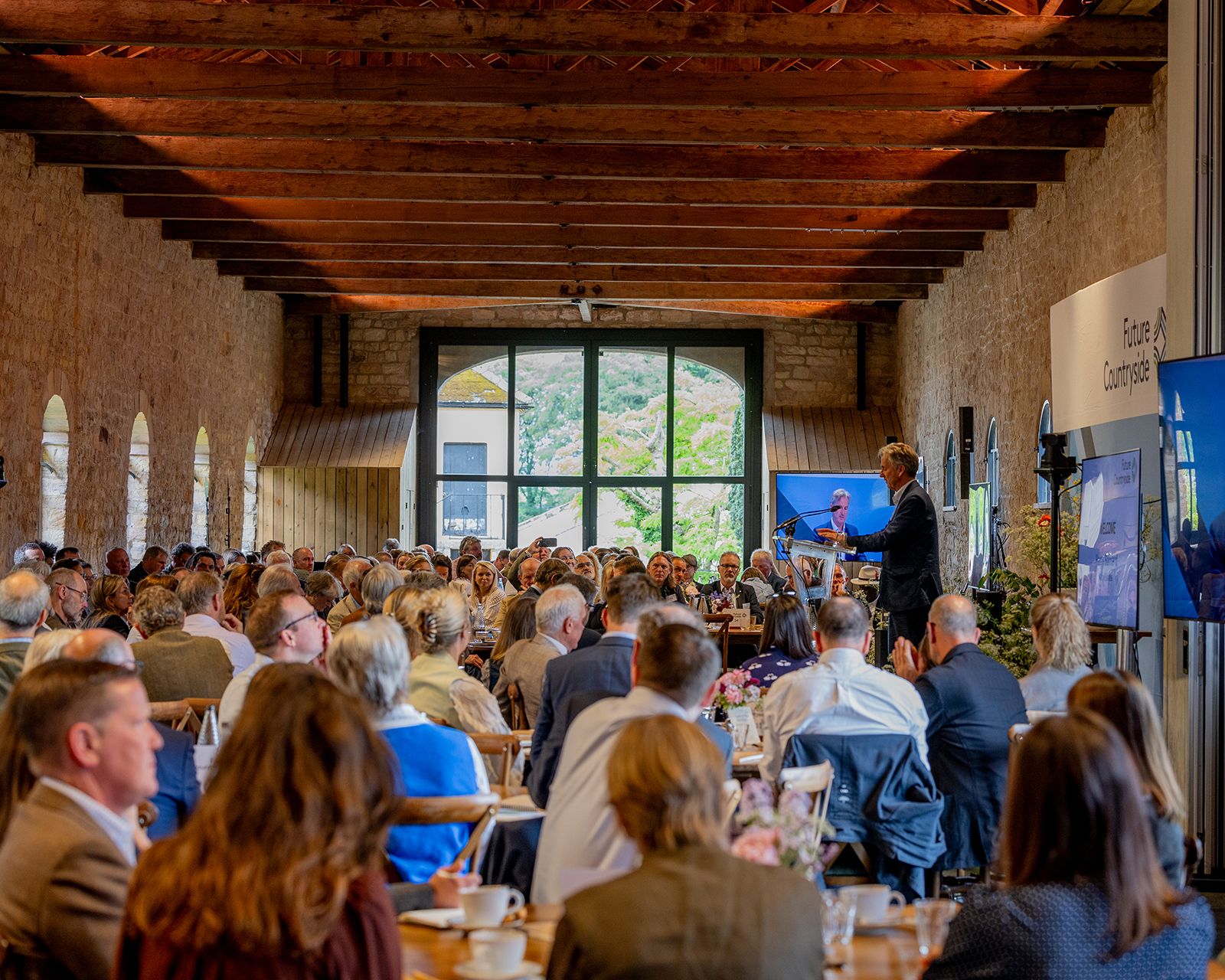
Bringing together farmers, land managers, policymakers, environmental organisations, businesses and rural leaders, the event creates a rare opportunity for meaningful conversations about the future of our countryside.
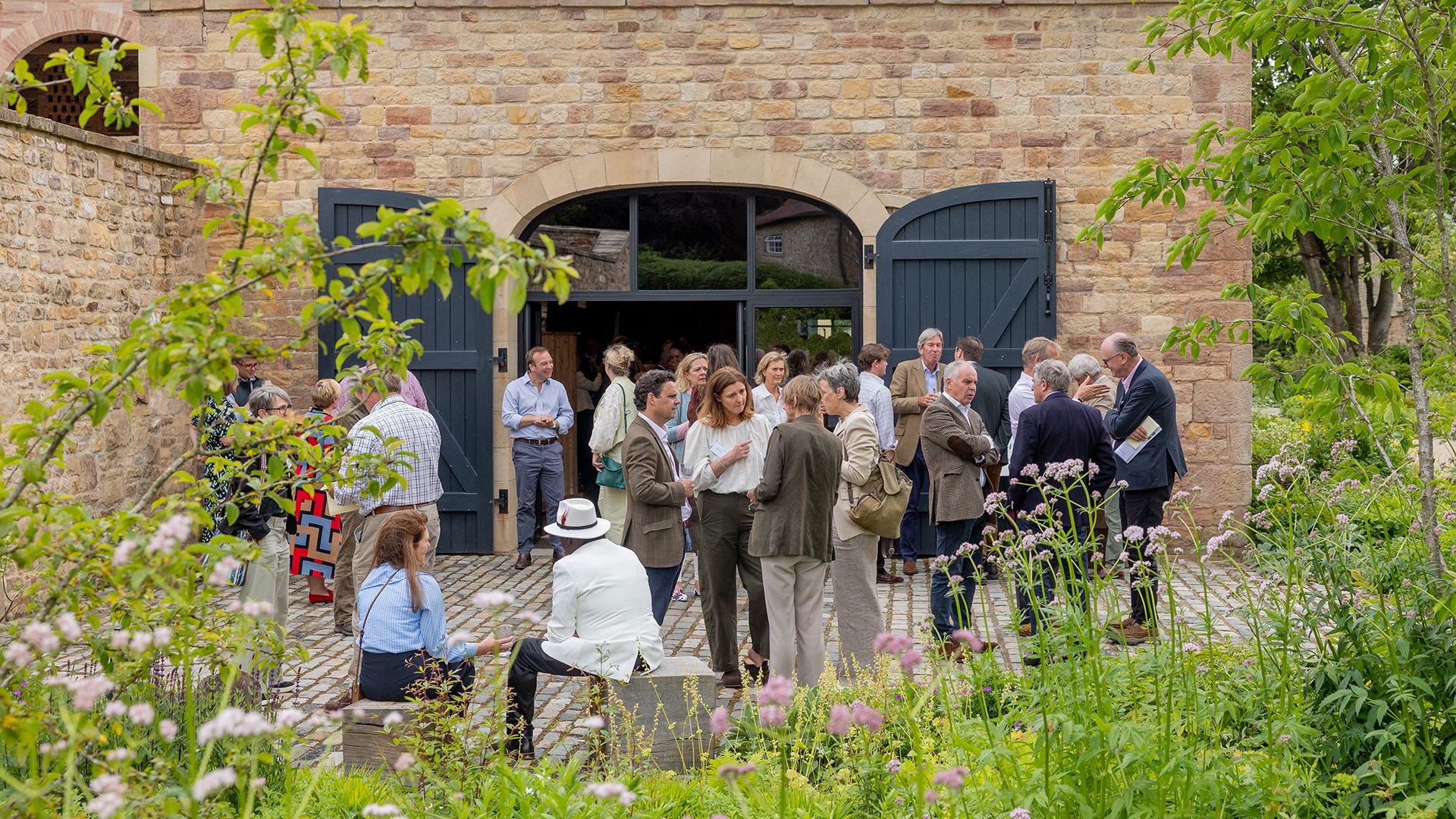
Why we love Future Countryside
As a business, we work at the intersection of land, people, communities and development. We see first-hand the competing pressures facing rural areas, from food production and nature recovery to housing, infrastructure and economic growth.
Events like Future Countryside are important because they create space to discuss these challenges openly and, crucially, explore how they can be addressed together. Future Countryside deliberately avoids simplistic answers to complex challenges.
Panel discussion
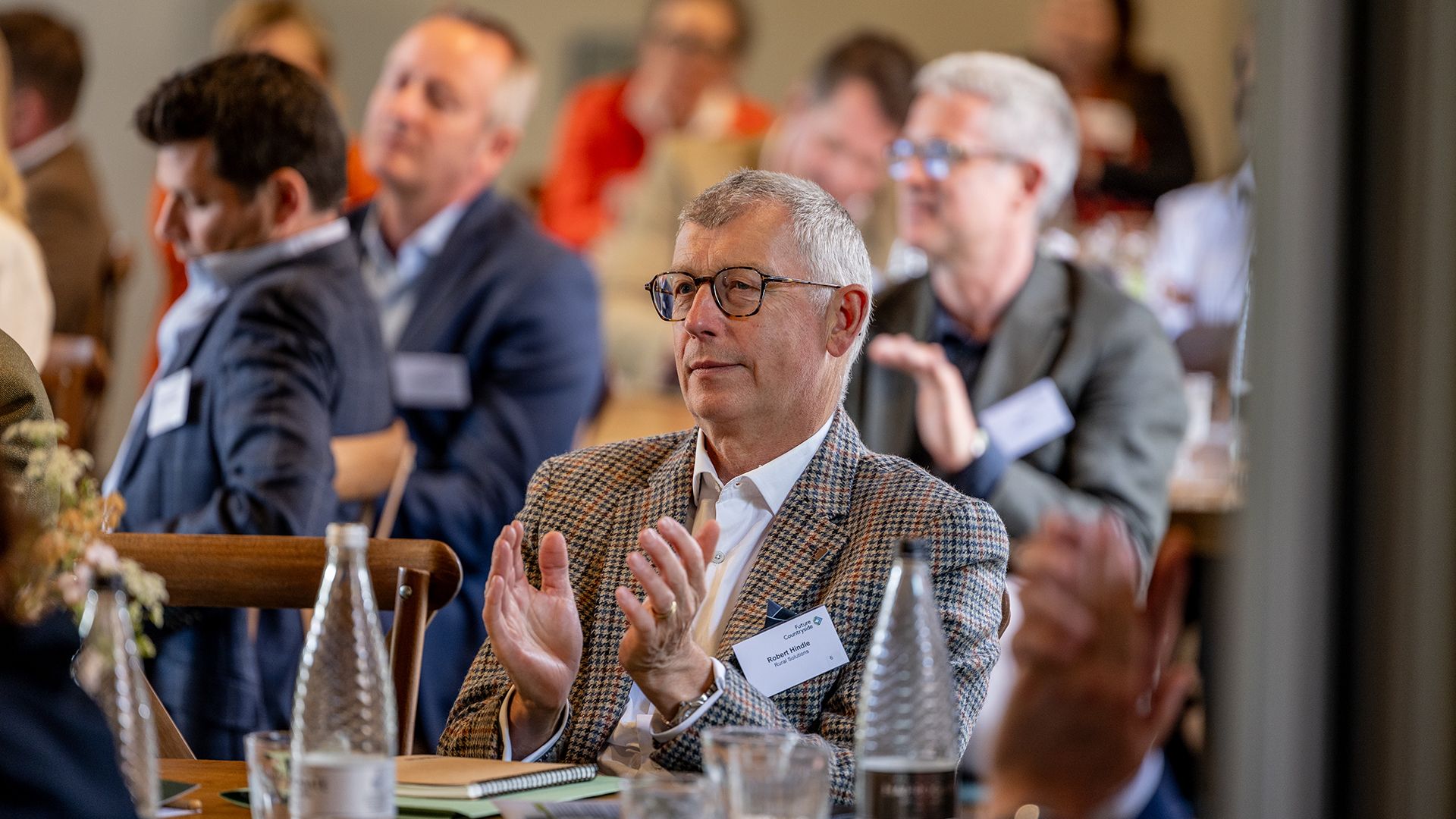
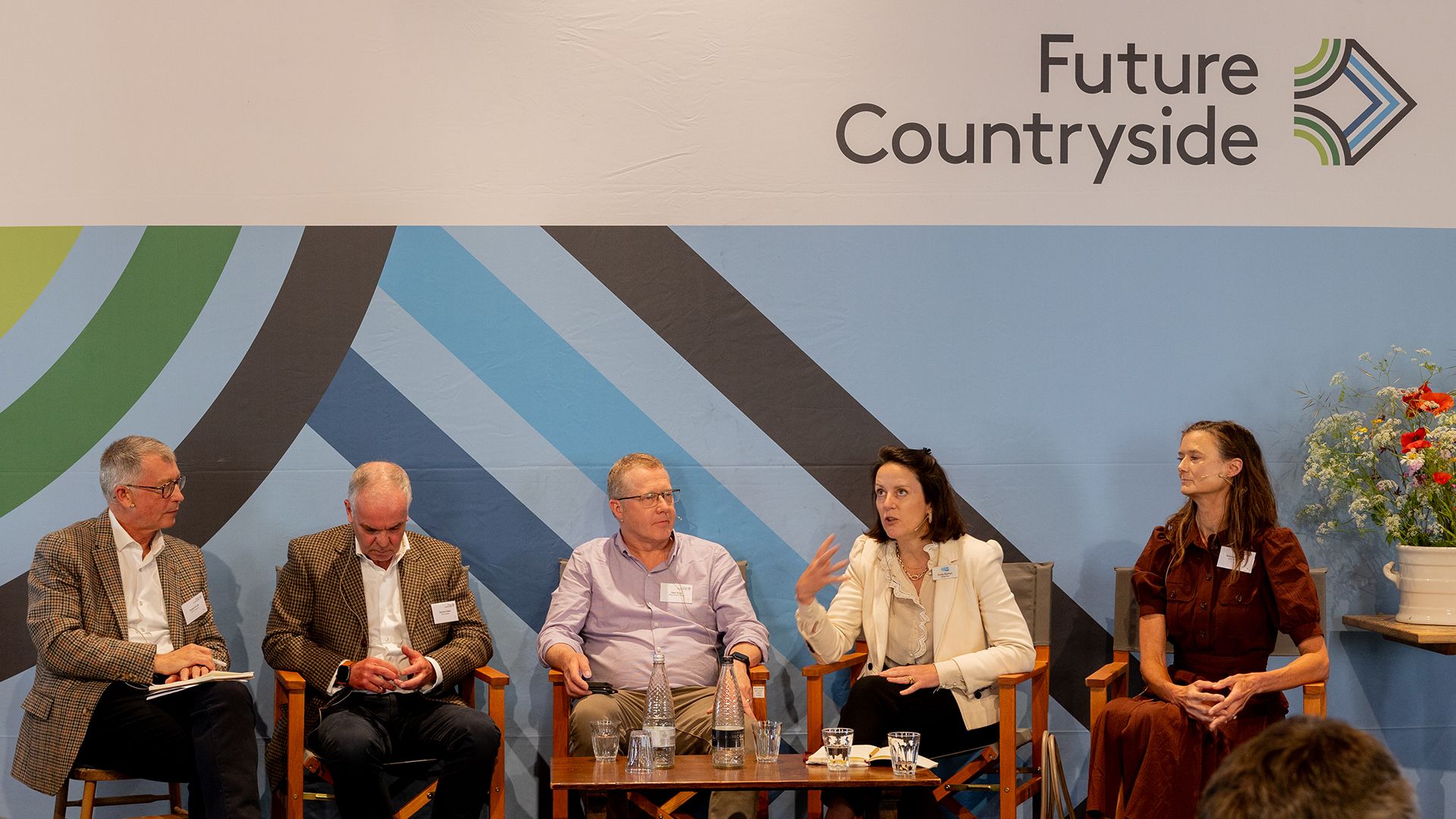
This year, our Executive Director, Rob Hindle chaired a panel discussion titled; Food and Farming – What Next? Shaping a Place for Farming and Food Production within Multifunctional Land Use.
The session focused on a critical question - how can farming continue to thrive while land is increasingly expected to deliver a wider range of outcomes, including nature recovery, public access, heritage conservation, housing and economic development?
The discussion brought together an outstanding panel including Emily Norton of the Agriculture and Horticulture Development Board (AHDB), Alexia Robinson of Love British Food, Dr Sam Rose of the Brit Valley Landscape Recovery Project, and Duncan Peake of Raby Estates. While each panellist approached the issue from a different perspective, there was a strong consensus that the future of the countryside should not be framed as a series of either-or choices.
“Food versus nature”
One of the most powerful themes to emerge was that food production and nature recovery are not opposing objectives. As Emily Norton argued, food is itself a nature-based solution, and productive farming relies on healthy natural systems. The conversation moved beyond the outdated narrative of "food versus nature" and instead focused on how land managers can make informed, place-based decisions that deliver multiple benefits.
Dr Sam Rose shared practical insights from the Brit Valley Landscape Recovery Project, demonstrating how collaboration between farmers can unlock new opportunities for both environmental improvement and business resilience. His contribution highlighted the importance of trust, long-term certainty and local partnerships in helping rural businesses adapt to change.
Alexia Robinson emphasised the need to reconnect people with British food and farming, reminding us that food remains the most important link between consumers and the countryside. Her comments reinforced the importance of strengthening domestic demand for sustainably produced British food and ensuring farming remains firmly on the national agenda.
Duncan Peake provided a valuable estate-scale perspective, explaining how Raby balances farming, heritage, public access, conservation and community responsibilities. His contribution illustrated the reality of multifunctional land management and the need to constantly balance competing priorities.
Future Countryside highlights
Speaking about the day and the impact of the overall discussions, Rob Hindle said: “My key takeaway from the event was the contrast between the regenerative nature of green infrastructure and the depreciating nature of built infrastructure. The discussions also challenged my thinking around regulation, particularly the value of industry-led and co-designed approaches.
“The highlight, however, was not a single discussion or presentation. It was the overwhelming sense of being surrounded by people who genuinely care about the British countryside and want to see it succeed as a place for both people and nature. The energy, optimism and willingness to collaborate were evident throughout the event.”
A willingness to embrace change
As the demands placed on land continue to evolve, the most successful outcomes will derive from balancing food production, environmental stewardship, economic resilience and community needs through practical, place-based solutions.
The discussions at Future Countryside 2026 reinforced a powerful message, as the future of rural Britain will not be shaped by simplistic choices or competing interests, but by informed decision-making, collaboration and a willingness to embrace change.
Stay informed
For more information about Future Countryside please visit https://www.futurecountryside.org and follow the organisation on LinkedIn.
Photography © Future Countryside
Categories:
NewsYou might also be interested in...





We are using cookies to give you the best experience on our website. You can find out more about which cookies we are using on our cookie policy.