
Why resourceful Stig of the Dump was right all along
By Malcolm Birks | 15.06.26
One of my favourite books as a child was Stig of the Dump by Clive King, a story that has stayed with me for its charm and quiet wisdom.



The book centres on the unlikely friendship between a young boy, Barney, and Stig, the mysterious caveman-like figure he discovers.
Stig was outwardly viewed as an unreconstructed savage but in fact he had huge depths of ingenuity, practicality, and emotional intelligence. What captivated me then – and resonates even more strongly now, is how Stig built his home from salvaged materials scavenged from the local dump. His world was one of resourcefulness, creativity and deep respect for what others discarded.
A resourceful approach to design
Looking back, it is remarkable how closely Stig’s instincts align with the direction of contemporary architecture. Today, architects are increasingly embracing resourceful principles; reusing existing structures, incorporating materials found on site, and favouring deep retrofit over demolition.
This shift is not merely aesthetic – it is philosophical, environmental, and urgently practical. Many of the recent RIBA Regional Awards winning projects reflect these values, and, indeed, our Yorkshire region-winning private house project made use of reclaimed North Sea oil rig steel pipes and timber from the woods around, in its construction.

A surge in natural materials
The industry is experiencing a surge of interest in natural, low carbon materials. Hemp blocks, wood fibre insulation, and timber structures are no longer fringe experiments but mainstream components of award-winning homes. The precise measurement of embodied carbon is also becoming a central requirement in design rather than an optional extra. In many ways, Stig was ahead of his time. He understood intuitively what we are only now formalising, that building sustainably is not a constraint but an opportunity for ingenuity.
This evolution in architectural thinking mirrors a broader cultural shift in what we consider a desirable home. In an era marked by environmental uncertainty, rising living costs and political instability, priorities are changing. The appetite for large, ostentatious houses is diminishing, even among those who could afford them. Instead, families increasingly value practicality and efficiency – affordable living as well as affordable homes, along with comfort, emotional warmth, and a sense of connectedness.
Shared humanity and connection to nature
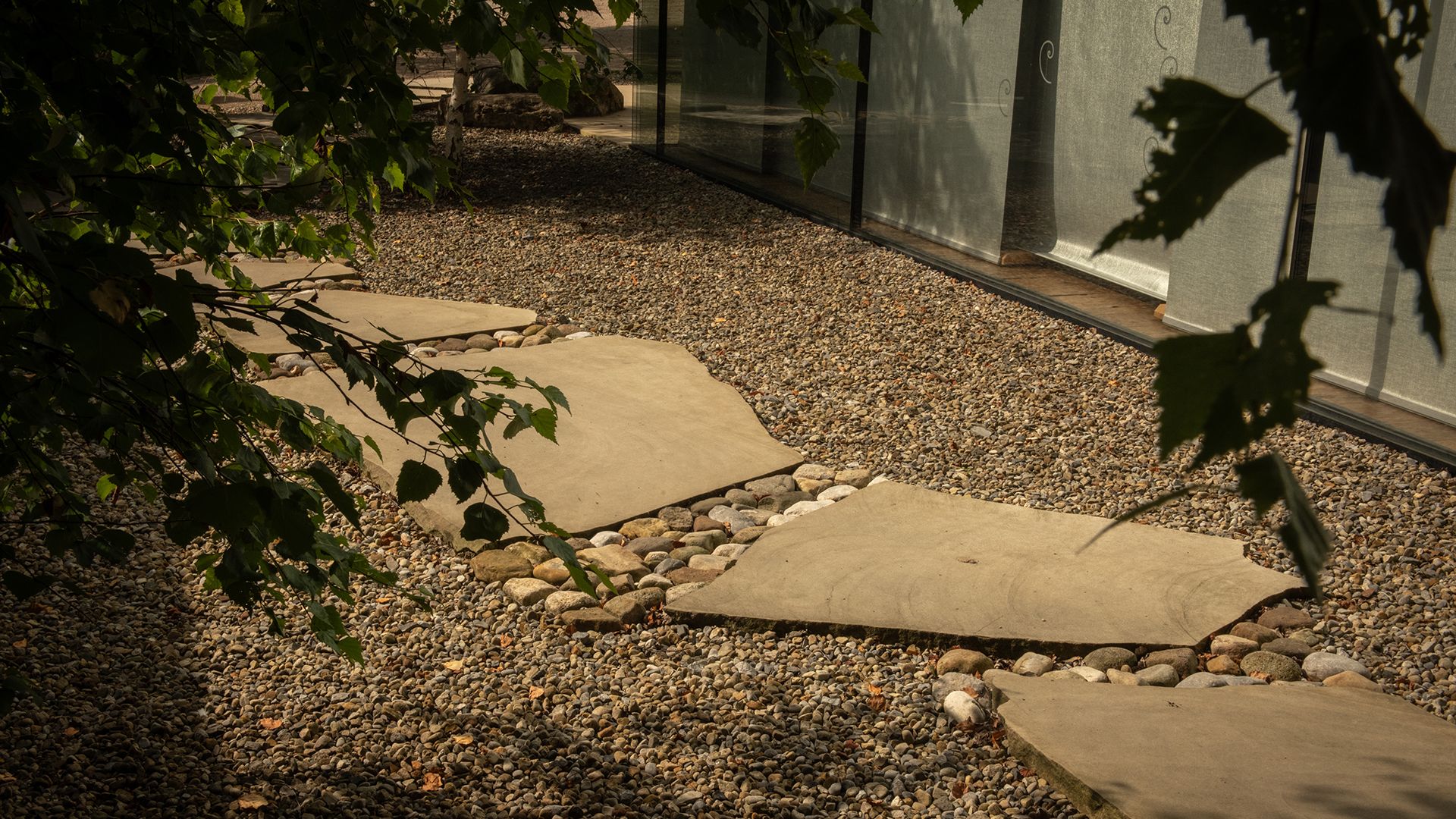
The successful, beautiful homes of today can be modest in scale whilst being rich in terms of the living experience they offer and in the communication of the story of their construction. A home with soul matters more than a home with spectacle to most people.
Stig reminds us of our shared humanity, our curiosity, our capacity for friendship and our innate connection to nature. Reading Stig of the Dump to my own children reminded me that some of the lessons we need most today – resourcefulness, empathy, environmental respect, were already there, quietly offered, in a children’s book written over sixty years ago.
Stig was right all along. And it seems that we are finally ready to listen.
Malcolm Birks is Head of Design at Rural Solutions.
This article was originally published in the Yorkshire Post Property Pages on 13th June 2026.
You might also be interested in...





We are using cookies to give you the best experience on our website. You can find out more about which cookies we are using on our cookie policy.