
Non-designated heritage assets
By Rural Solutions | 28.07.26
In June, we held our fourth annual country house roundtable. This working group of professionals is committed to raising standards, sharing expertise, and shaping the future of exceptional country houses in the UK.


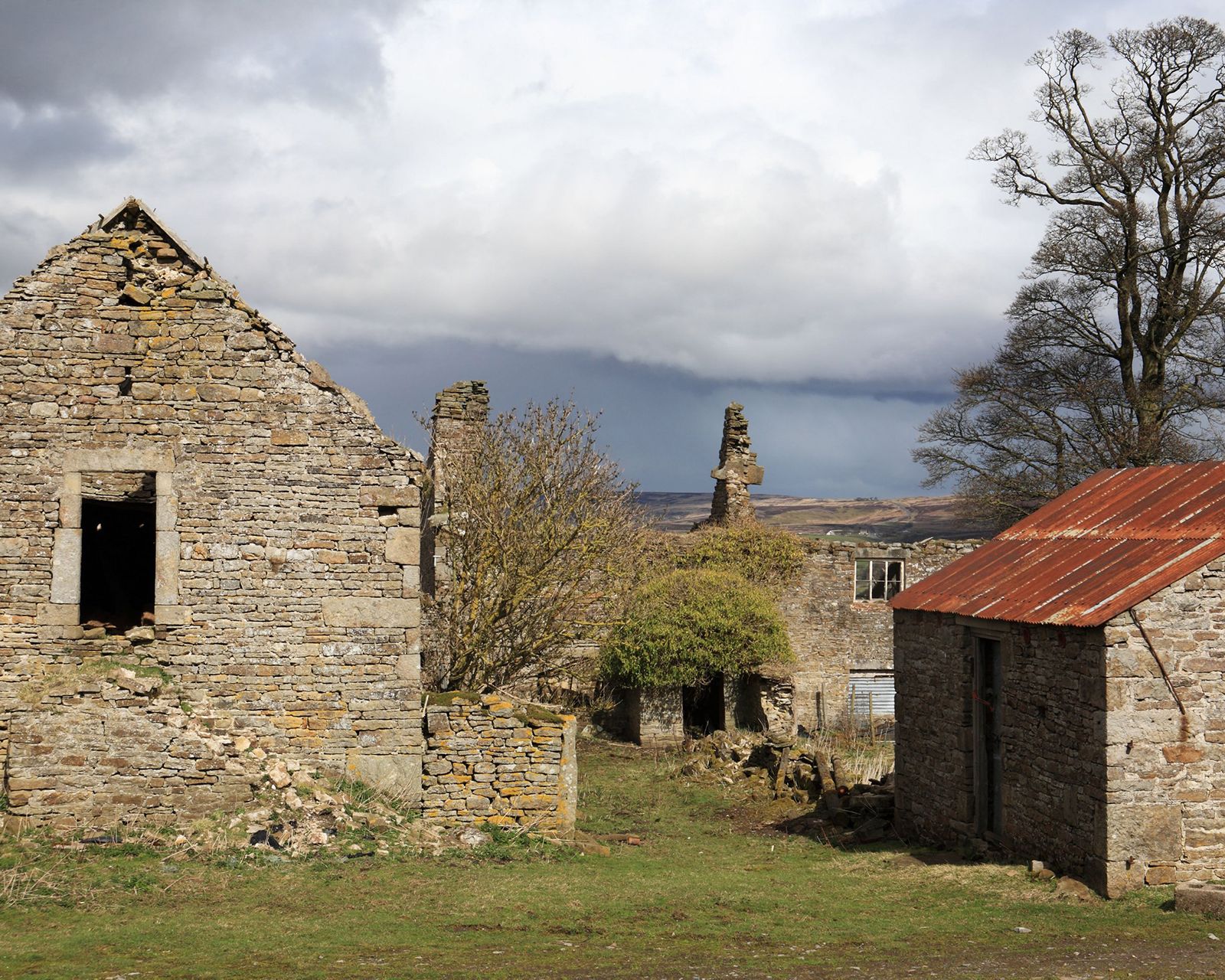
Derelict farm buildings © Alamy stock image
The roundtable has grown into a powerful collaboration of the country house sector’s top professionals - from architects, planners, and quantity surveyors to agents, designers and legal experts. Brought together by shared values and common challenges, we’ve created a trusted network dedicated to the evolving and increasingly complex needs of those building or restoring significant country homes.
A topic that stood out as a growing concern for everyone around the table was non-designated heritage assets (NDHAs) and the challenges for property owners and developers.
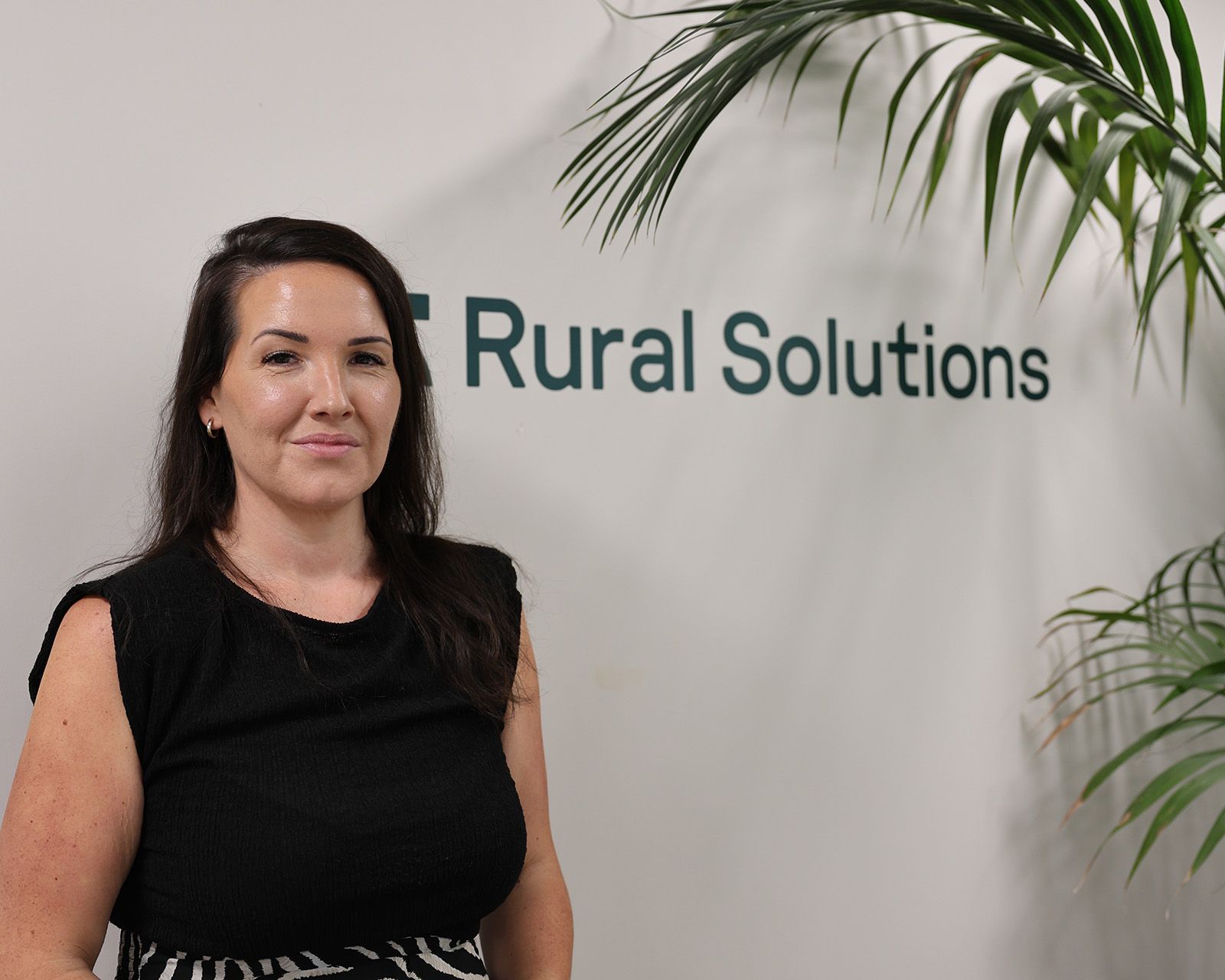
In the article, we talk to Duncan Hartley, a director in our planning team, and expert in the individual country house sector, about NDHAs - what they are and why they matter.
What is a NDHA?
A designated heritage asset has national recognition, such as a listed building, conservation area or registered park. A NDHA, by contrast, is a building or structure considered to have local heritage value. Councils assess factors such as age, architectural quality, historic associations and contribution to the local area when deciding whether a building should be treated as an NDHA.
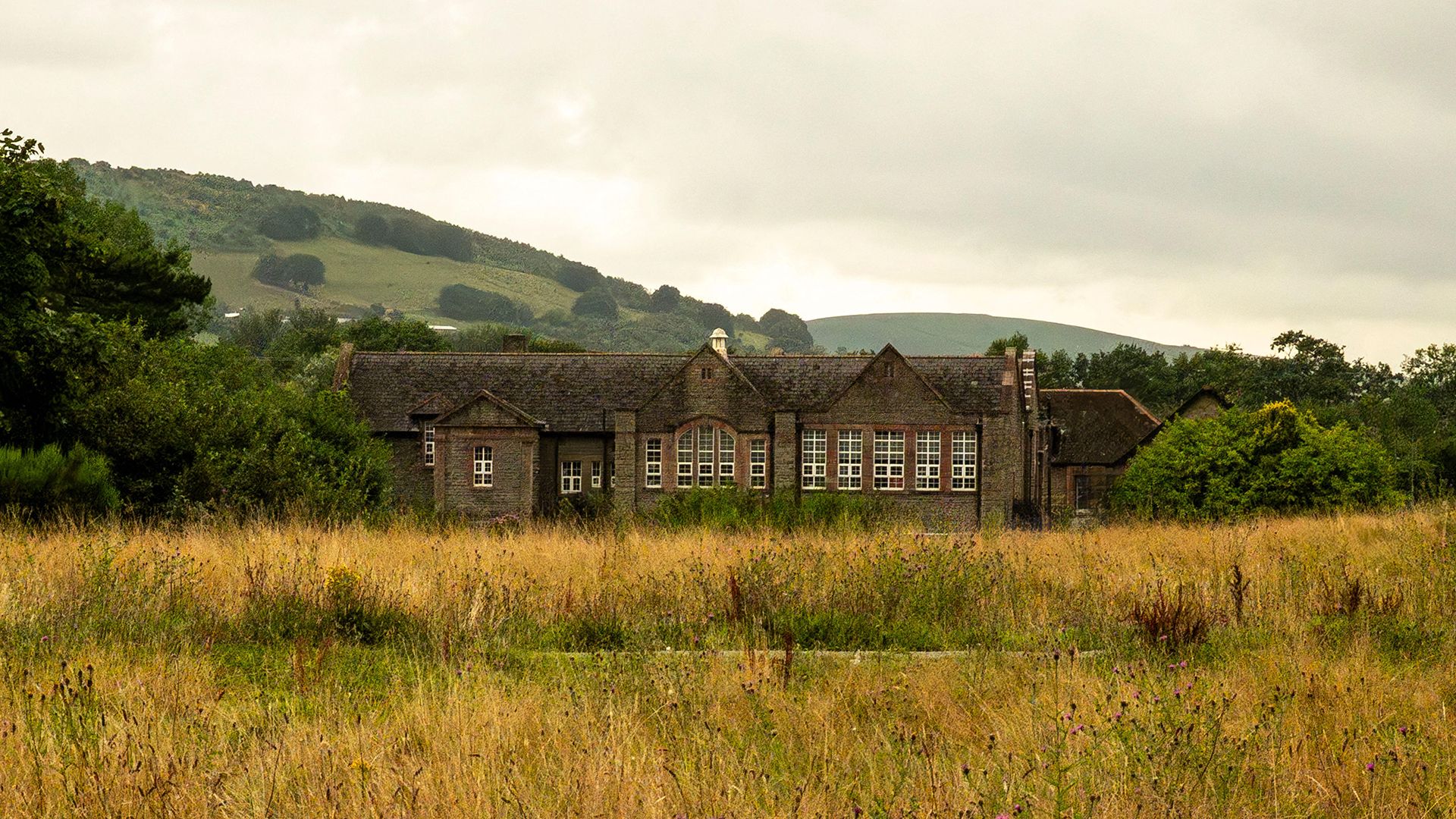
An old school building © Alamy stock image
Why are NDHAs becoming an important issue?
The growing importance of NDHAs has become a key focus for Rural Solutions and our roundtable audience, as recent changes to national planning policy have placed greater emphasis on identifying and protecting buildings with local heritage significance.
While this is a positive step for conserving our historic environment, many local authorities simply do not have the resources to comprehensively assess every potentially significant building across their districts.
As a result, NDHAs are often identified on a case-by-case basis during the planning process, creating uncertainty for property owners and developers. Although national and local criteria exist to guide these assessments, there remains considerable scope for interpretation, meaning outcomes can vary between authorities.
Our role at Rural Solutions is to identify potential issues at the earliest opportunity, engage constructively with councils, and provide clear, evidence-based advice so that unexpected heritage considerations do not delay or derail our clients' proposals.
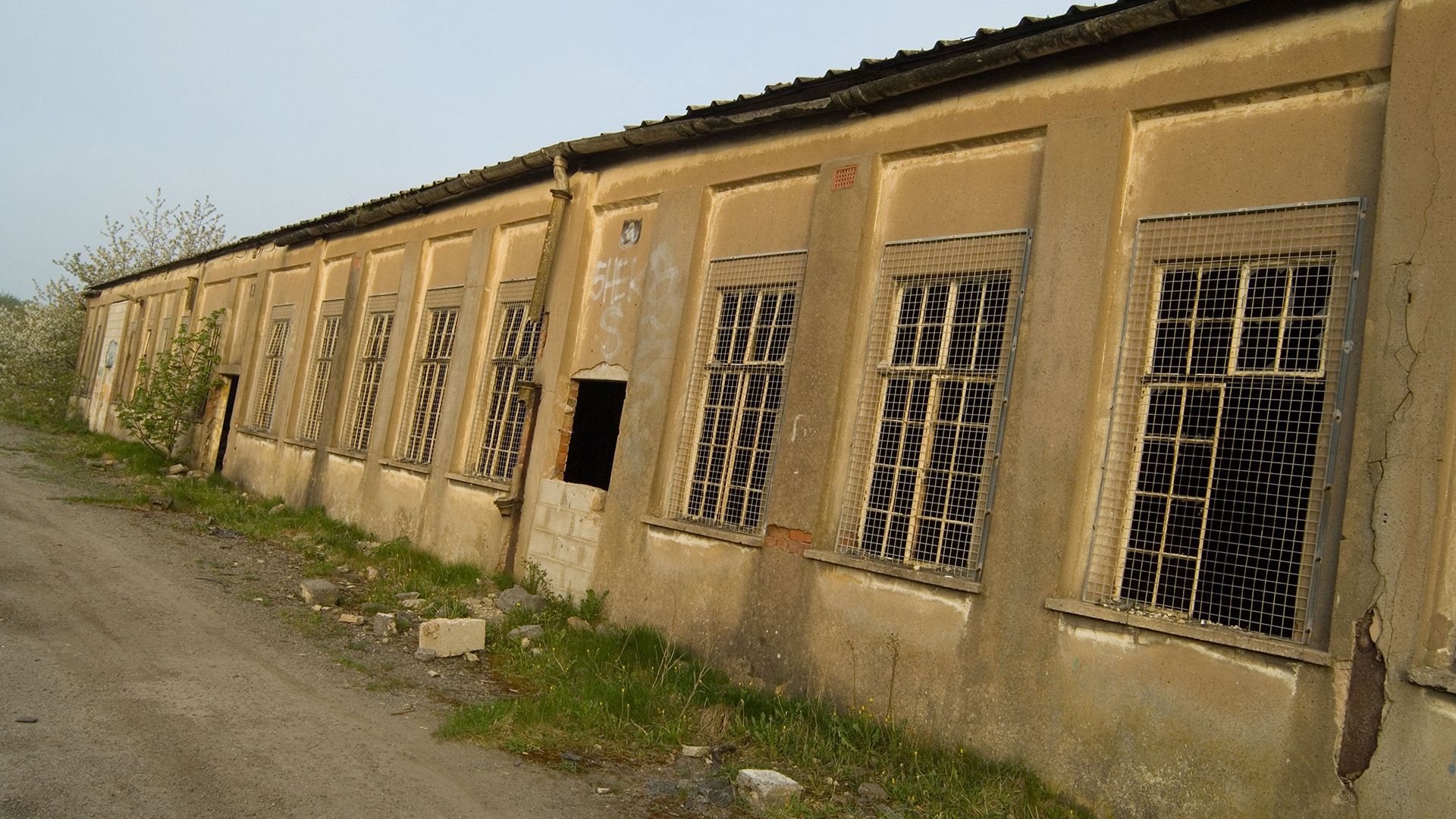
Derelict aerodrome building © Alamy stock image
What are the main challenges with NDHAs?
Identifying an NDHA is a substantial task that could take years to complete. Due to a lack of council resource, many are being identified on an ad hoc basis during the planning process rather than through an established local list.
This uncertainty can have significant implications and create inconsistency across the regions. A property owner may submit a planning application to replace or alter a building, only for the local authority to identify it as an NDHA during the application. At that point, the principle of demolition or redevelopment may be questioned; causing delays, additional costs and, in some cases, refusal of planning permission.
How should we address NDHAs?
The issue is also one of interpretation. National guidance provides criteria for identifying NDHAs, but there remains considerable scope for differing opinions about whether a building genuinely meets the threshold. Managing these discussions effectively requires early assessment, clear evidence and constructive engagement with the local authority.
As the use of NDHAs becomes more widespread under the National Planning Policy Framework, they are increasingly influencing planning decisions for country houses and rural estates. Understanding how councils approach these assets, and anticipating potential issues before an application is submitted, is becoming an essential part of the planning process.
Forward thinking
At Rural Solutions, we work with clients every day to identify potential heritage considerations early, helping to reduce risk and avoid unnecessary delays. As planning policy continues to evolve, proactive advice has never been more important. Read more about our work in the Individual Country Homes sector here.
Get in touch
If you have a question about heritage or NDHAs or would like to request a copy of our Individual Country Homes portfolio, please get in touch info@ruralsolutions.co.uk or call us on 01756 797501.

Duncan Hartley is a Director in the planning team at Rural Solutions
Follow Duncan on LinkedIn here.
You might also be interested in...




We are using cookies to give you the best experience on our website. You can find out more about which cookies we are using on our cookie policy.