
How buildings learn: what happens after they’re built
By Malcolm Birks | 09.02.26
The true measure of a building’s success is not its initial aesthetic impact or the accolades it garners upon completion, but its long-term ability to gracefully accommodate the ebb and flow of human life.


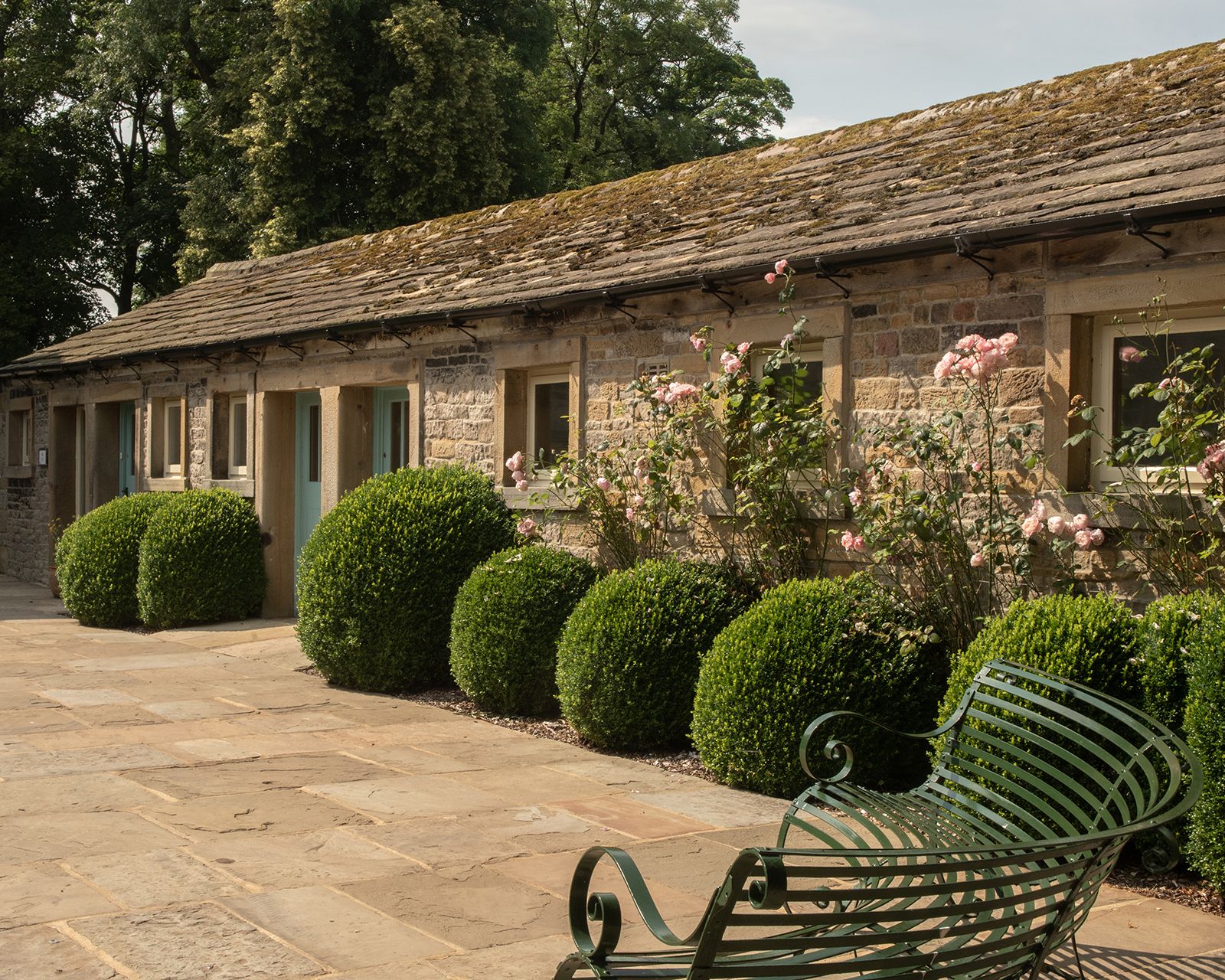
In fact, buildings adapt best when they are constantly refined and reshaped by their occupants over time.
This profound and often overlooked truth forms the central thesis of Stewart Brand's prescient 1994 book, ‘How Buildings Learn: What Happens After They're Built.’ Brand asserts that the architect’s genuine skill lies in designing structures that anticipate and effortlessly accommodate change, rather than erecting monuments that fight against the inevitable forces of time and evolving user needs.
This philosophy of inherent adaptability has taken on critical importance, particularly in the context of the UK’s pressing environmental objectives. There is now a much sharper focus on the concept of embodied carbon, which relates to the full lifecycle emissions of a development, including the energy spent in extraction, manufacture, transportation, construction, and eventual demolition.

The reuse and effective adaptation of existing building stock offers one of the most powerful strategies for decarbonisation. By designing buildings that can last longer and absorb new functions without the need for destructive, carbon-intensive demolition and rebuilding, we drastically reduce our environmental footprint.
Brand makes the provocative and memorable statement: “All buildings are predictions, and all predictions are wrong.” This encapsulates the core problem with much of modern architecture. Expensive, structurally complex, and aesthetically rigid buildings are often designed with a specific, narrow prediction of future use. When that prediction inevitably fails, these structures defy cost-effective adaptability.
There are countless, often spectacular, examples where such buildings have had to be demolished within a relatively short span of time. Many of these ill-fated structures were conceived primarily to appear in glossy architectural magazines, prioritising a fixed image over their essential function as versatile, enduring containers for human activity.
This rigidity stands in stark contrast to the famous examples of quiet, unshowy, or vernacular architecture, which have proven to be highly adaptable and versatile over several generations and sometimes, centuries of continuous human use. Consider the elegant, simple modules of the Georgian terrace house, which can fluidly shift from grand residences to offices, multiple apartments, or retail spaces. Think of the robust, open-plan nature of traditional agricultural barns, or the pragmatic simplicity of many modern steel sheds.

So, what should be the key considerations when commissioning and designing buildings for longevity? Designing “loose fit” means prioritising simple, rational structures that are easily reconfigured. It requires a system where services, like plumbing, electrics, and ventilation, can be replaced over time without major structural intervention. The key responses to the site conditions should be sensible and straightforward, favouring passive design principles.
As Brand argues, while flashy ‘High Road’ buildings may garner initial critical praise and media attention, it is the simple, utilitarian ‘Low Road’ buildings that are ultimately the better learners. Their inherent simplicity, robust structure, and generic yet flexible spatial qualities make them far more resilient to the inevitable patterns of time and change.
In an age demanding radical environmental responsibility and economic prudence, this quality of quiet, effortless adaptability is more important than ever.
Malcolm Birks is Head of Design at Rural Solutions
This article was first published in Yorkshire Post Property on Saturday 7th February 2026.
You might also be interested in...



We are using cookies to give you the best experience on our website. You can find out more about which cookies we are using on our cookie policy.