
A plot of your own? New planning reforms could open doors for more one-off rural homes
By Sally Ormiston | 26.03.26
Have you ever passed a piece of land in a village and imagined building a home there? Or do you own a plot – perhaps on the edge of a village, or an infill plot in a settlement and have been frustrated that planning policy hasn’t supported it as a suitable location for house thus far?


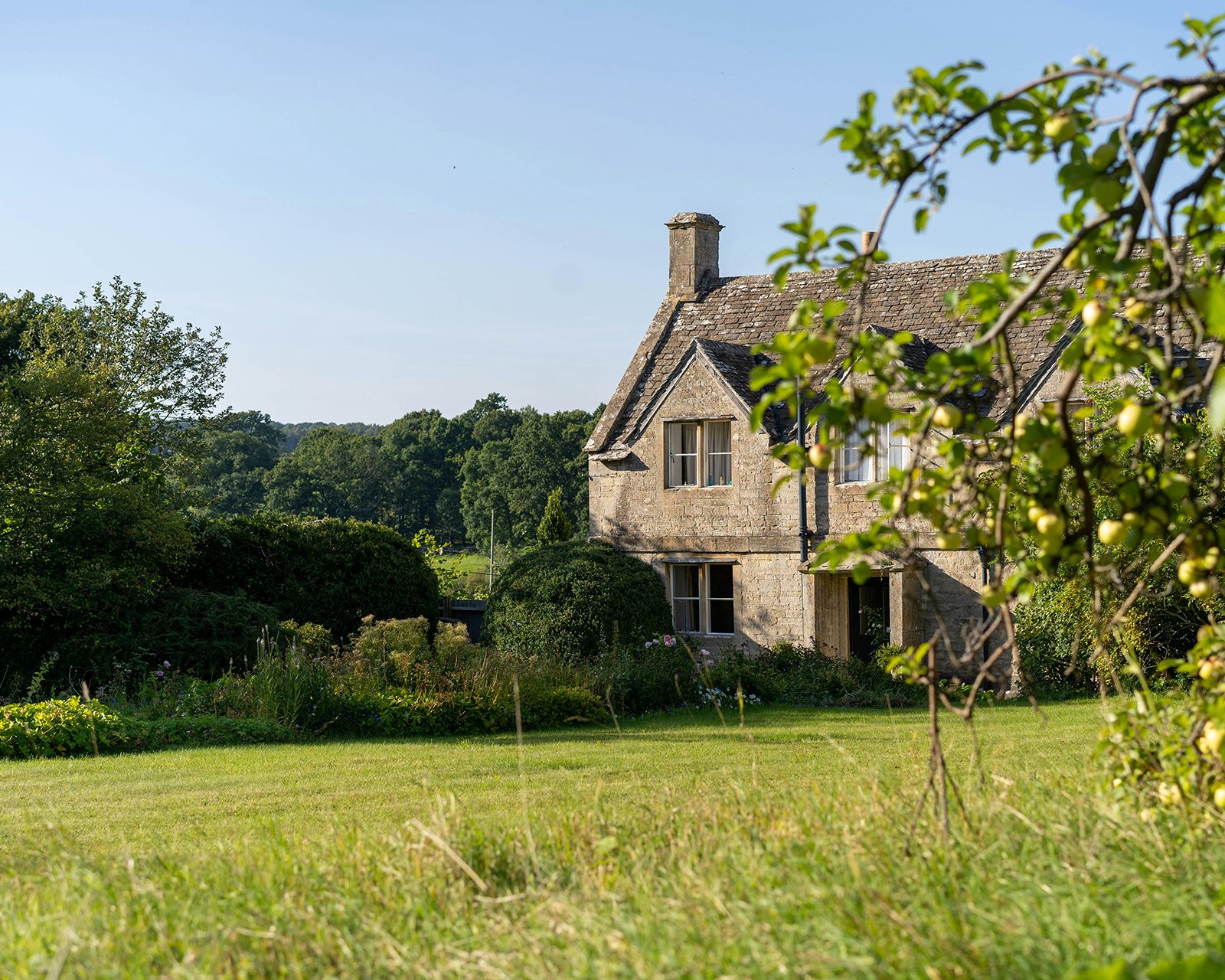
Gaining planning consent to build single homes in rural locations is notoriously tricky. Where planning routes do exist – such as the so called ‘country house’ clause, or ‘Paragraph 84e’, they have very tight criteria and require houses to meet such exceptional standards of architectural design quality, that the number of sites deemed suitable is few and far between.
As specialists in navigating restrictive planning policy to enable high quality development in the countryside, we have helped many clients to find routes to deliver new country homes, but it can be a lengthy, complex and risky process.
With the latest proposed changes to planning policy however, the possibility of building a one-off house in a rural setting looks likely to become a more viable option in the next few months.
The Government’s recent consultation on national planning policy signals a significant shift in the planning landscape - one designed to accelerate housebuilding and support economic growth across the UK. While much of the national conversation has focused on large-scale development, these proposals also bring meaningful opportunities for smaller, rural sites.
What are the changes?
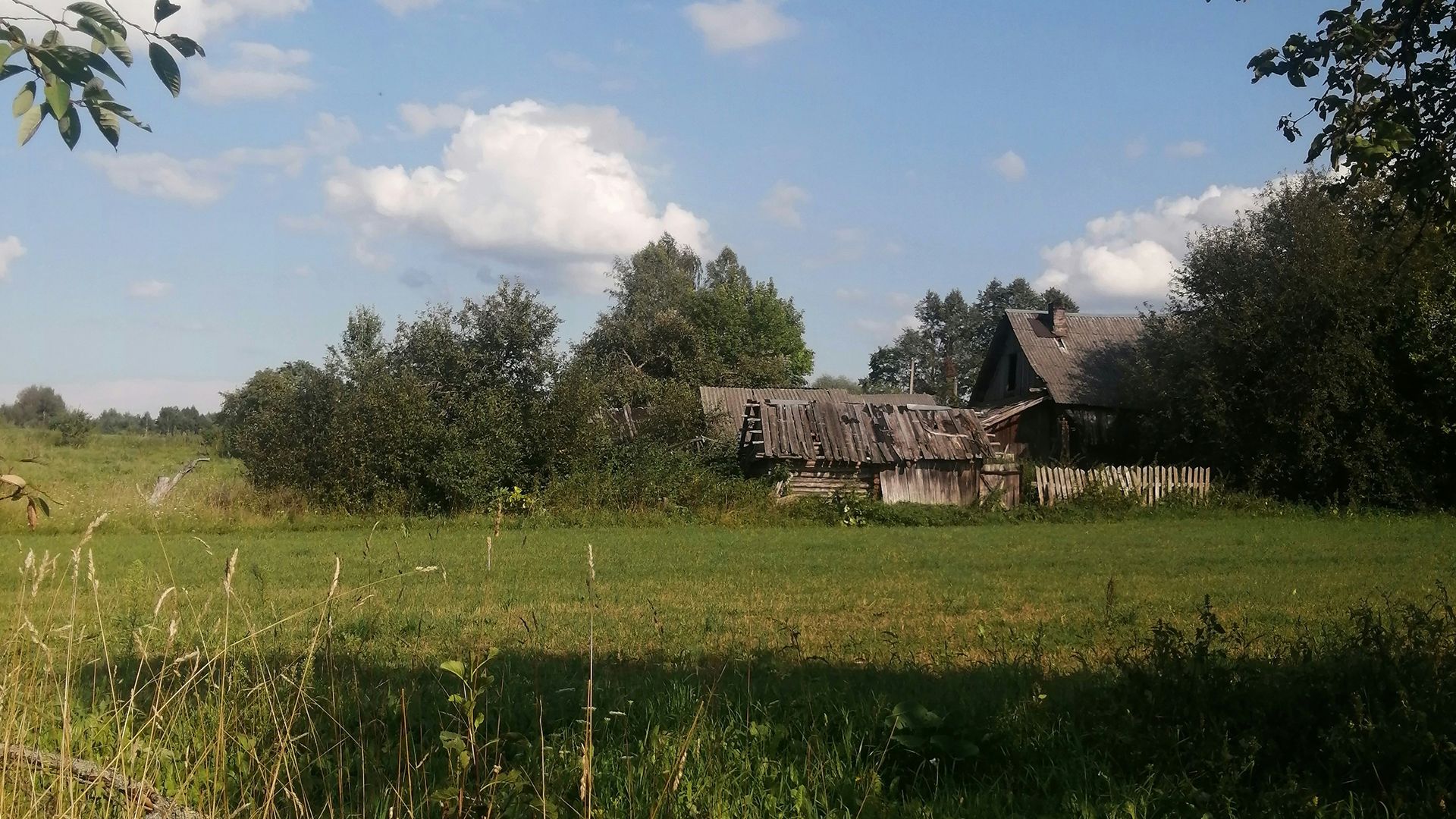
A key feature of the proposed reforms is strengthened support for small-scale development. Local authorities will still be expected to deliver at least ten per cent of their housing on sites under one hectare and a further ten per cent on sites between one and two and a half hectares.
In addition, there will be greater use of simplified planning requirements for smaller schemes. This will create a supportive environment for modest, well-considered developments in rural locations.
There is also renewed encouragement for self-build and custom-build homes, as well as community-led housing. For those hoping to build a home in the countryside, this could mean a more positive and flexible approach from planning authorities - particularly where proposals are well designed and respond to their surroundings.
A fresh approach
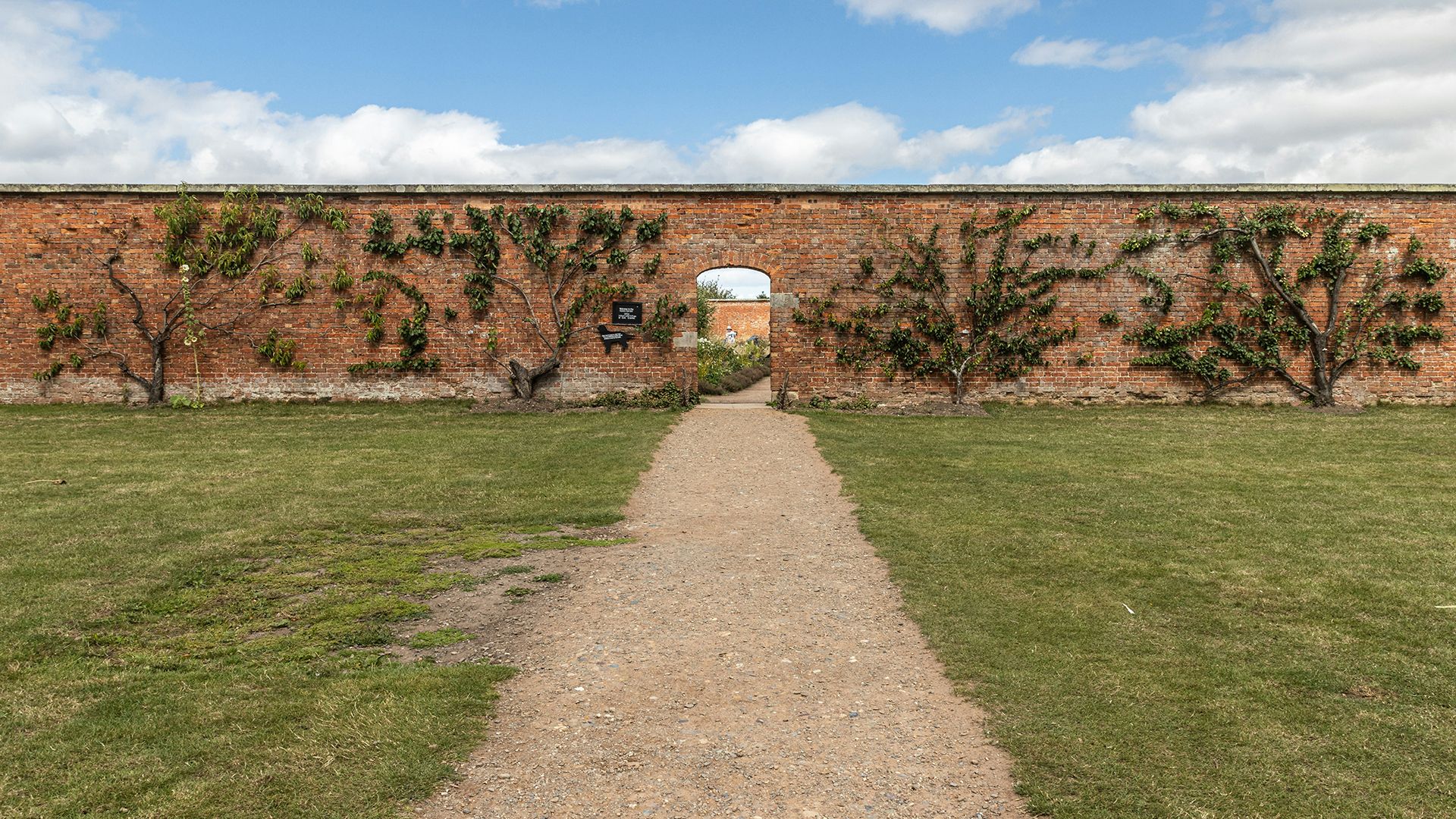
There’s also a new approach incoming that will fundamentally shift planning policy with regards the locations where development will be considered suitable, which will open up a far wider range of villages in which development should be allowable.
Historically, rural housing policy has tended to concentrate development in larger, better-served villages - those with shops, schools, or public transport links. While this approach has supported infrastructure, it has often limited opportunities elsewhere, placing pressure on certain settlements while leaving others with fewer chances to grow and sustain local services.
The proposed changes take a broader view. Villages of all sizes may now be considered suitable locations for new housing in principle, presenting opportunities across a wider range of rural communities. This could help distribute development more evenly, reducing the pressure on villages to absorb larger developments, and supporting the long-term vitality of smaller settlements.
There may also be increased potential for ‘infill’ development – building on vacant, under used, or previously developed land that is within existing village settings. Alongside this, recent updates to Green Belt policy mean that certain types of previously developed or ‘grey belt’ land could now be considered for development, where appropriate.
Design consideration
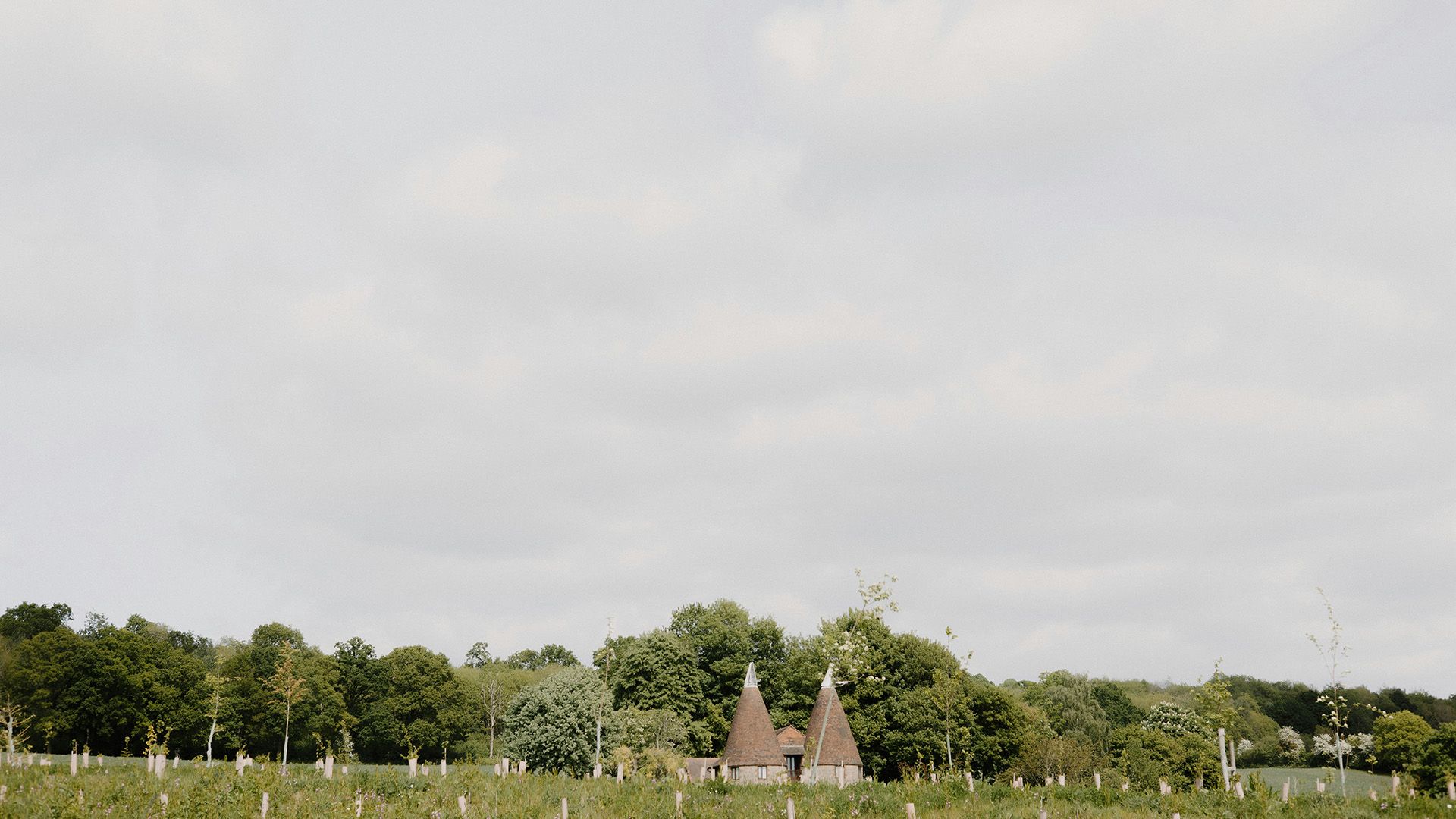
Sensitive design, strong planning justification, and a clear understanding of local context will remain essential. New homes will need to sit comfortably within their landscape and contribute positively to the character of rural places.
Overall, these reforms represent a shift towards greater flexibility and opportunity. For landowners, aspiring self-builders, and small developers, the outlook is becoming more encouraging - with more routes to bring forward carefully considered rural homes.
At Rural Solutions, we’re already helping clients navigate these changes - unlocking opportunities and shaping proposals that respond to both policy and place.
Making your next move
If you’ve been considering a one-off country house project, now may be the time to take a closer look. Our Planning and Design teams have delivered an extensive range of distinctive homes in rural locations across the country so please get in touch if you would like to discuss your options.
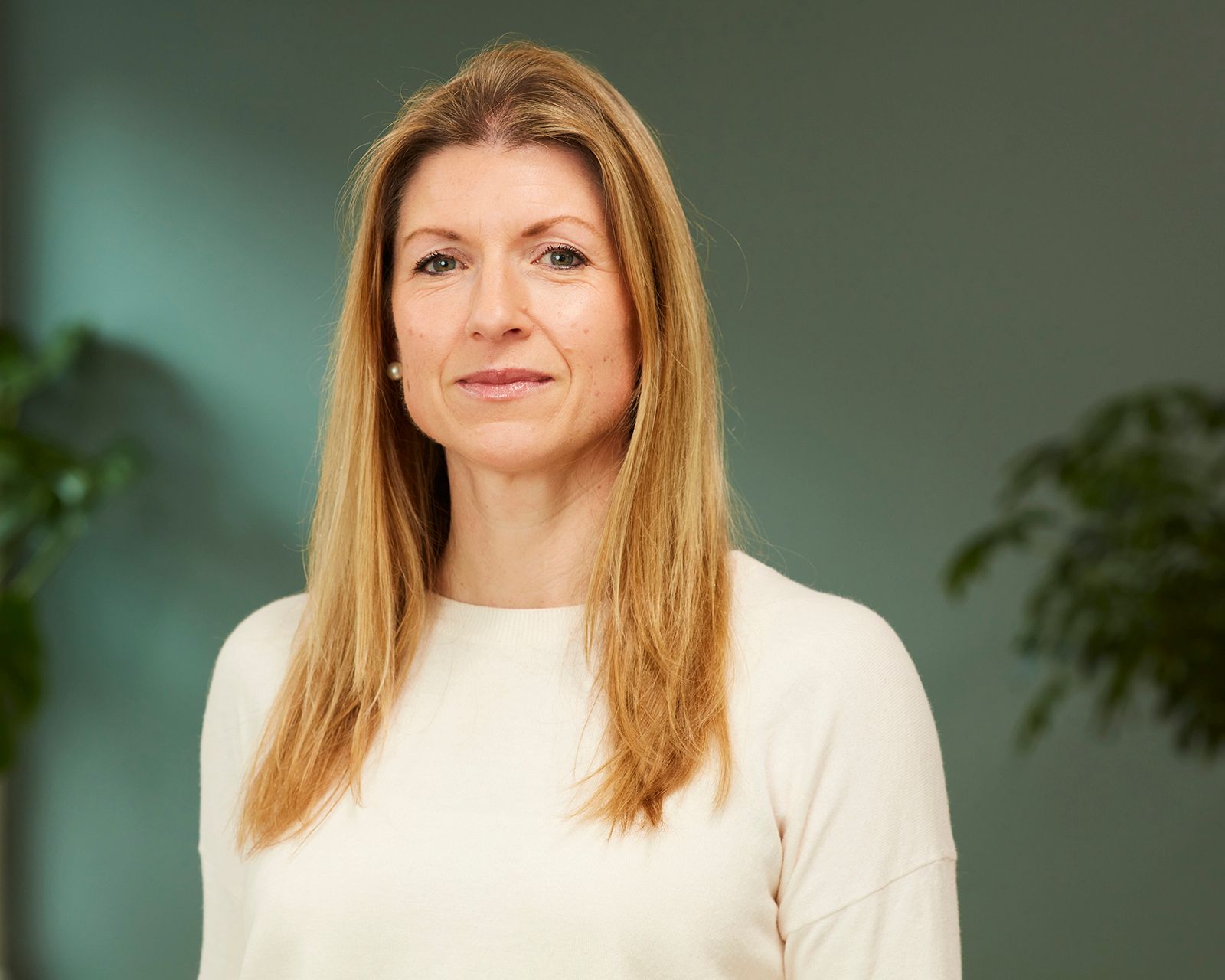
Sally Ormiston is a Director at Rural Solutions
You might also be interested in...



We are using cookies to give you the best experience on our website. You can find out more about which cookies we are using on our cookie policy.